


OEM vs Aftermarket Parts FAQ | Legacy GMC of Waxahachie
Choosing the right replacement parts for your vehicle is one of the most important decisions you can make as a car owner. Whether you drive a GMC Sierra, Terrain, or Yukon, understanding the difference between OEM and aftermarket parts helps you protect your vehicle’s performance, safety, and long-term value. The parts team at Legacy GMC of Waxahachie helps drivers across Waxahachie, Midlothian, Ennis, and the surrounding area make informed choices every day.
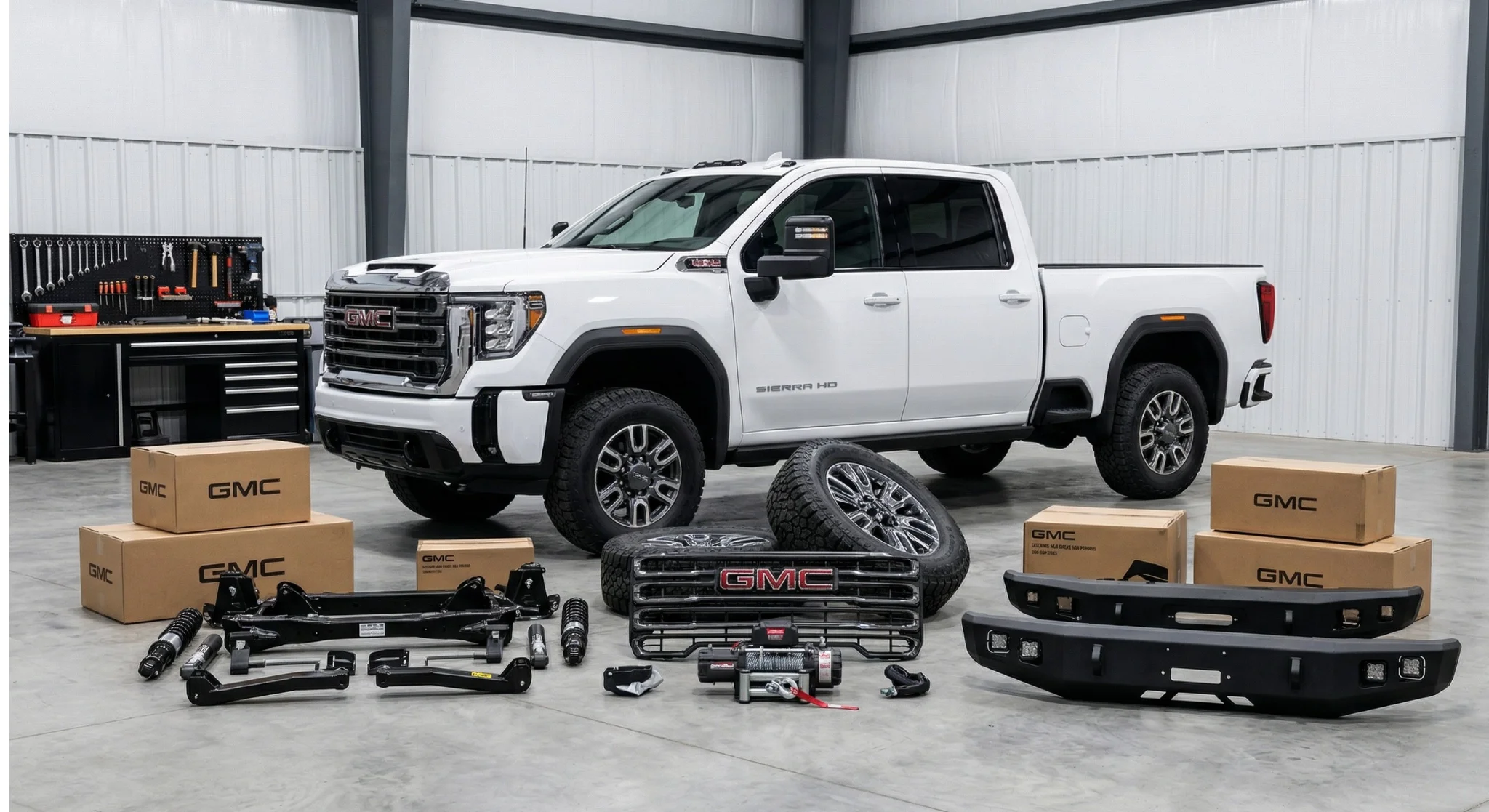
Frequently Asked Questions About OEM and Aftermarket Parts
What Are OEM Parts and Why Are They Recommended?
OEM stands for Original Equipment Manufacturer. These are the exact components that match what was installed in your vehicle when it was built at the factory. Although the term suggests the automaker produces every part directly, many OEM parts actually come from specialized Tier 1 suppliers — companies like Bosch or Denso — that manufacture components to the automaker’s precise specifications.
The primary advantage of OEM parts is their guaranteed fit and compatibility with your specific vehicle. Because they adhere to the original design and quality standards, OEM parts deliver reliable performance and durability, which is especially important for critical systems like engines, transmissions, and braking components. Installation is typically straightforward since OEM parts are engineered to fit without modification.
How Do Aftermarket Parts Differ from OEM Parts?
Aftermarket parts are components manufactured by companies other than the original equipment supplier. They are designed to fit a range of vehicles, often with variations in materials and design. The primary benefit is a lower price point, which can appeal to drivers in Ennis, Corsicana, and the broader Waxahachie area looking for cost-effective repair options.
Availability is another advantage. Aftermarket parts are stocked by independent repair shops and retail outlets, making them easier to obtain quickly. This can reduce vehicle downtime when urgent repairs are needed.
However, quality varies widely across aftermarket brands. Some aftermarket parts are virtually identical to OEM components — in some cases, produced by the same Tier 1 manufacturer but sold under a different label. For example, a Bosch spark plug sold as an aftermarket part can be the same component as the OEM version. Other aftermarket parts may use less durable materials or have design differences that affect fit, longevity, or performance. Researching the brand and supplier is essential, particularly for safety-critical systems like brakes and steering.
Why Choose GM Genuine Parts at Legacy GMC of Waxahachie?
For GMC owners, GM Genuine Parts and ACDelco components offer a level of warranty protection that most aftermarket brands cannot match. GM backs its parts with a three-tier warranty structure when installed by a GM dealership:
Most GM Genuine Parts OE and ACDelco OE and Gold line components are covered under a 24-month, unlimited-mileage limited warranty that includes both parts and labor. This covers the majority of replacement parts, from engine and transmission components to filters, water pumps, and emission parts.
Select parts — including shock absorbers, struts, radiators, fuel pumps, and wheel bearings — carry a limited lifetime warranty. GM will replace these parts for manufacturer defects for as long as the original purchaser owns the vehicle, with 24 months of labor coverage included.
ACDelco Silver line parts are covered for 12 months with unlimited mileage.
Every GM Genuine Part is engineered and tested to GM’s quality, durability, and reliability standards — the same standards your GMC was built to from the factory. When you purchase parts through Legacy GMC of Waxahachie, you get that warranty backing combined with parts specialists who know your vehicle inside and out.
How Much More Do OEM Parts Cost Than Aftermarket Parts?
Aftermarket parts generally cost 20 to 60 percent less than their OEM equivalents, though the exact savings depend on the specific component and brand. According to industry data from the Property Casualty Insurers Association of America, OEM parts cost roughly 60 percent more than aftermarket alternatives.
To put that in practical terms: an OEM air filter might cost around $25 compared to $16 for an aftermarket version, while larger components like alternators can show savings of 40 percent or more with aftermarket options.
However, the upfront price difference does not always reflect total cost of ownership. Lower-quality aftermarket parts may fail sooner, requiring additional replacement costs and labor. GM Genuine Parts’ 24-month unlimited-mileage warranty and guaranteed fit can offset the initial price difference by reducing the risk of repeat repairs and ensuring compatibility with your vehicle’s systems from the start.
Does Using Aftermarket Parts Void Your Vehicle’s Warranty?
No. The Magnuson-Moss Warranty Act, a federal consumer protection law enforced by the Federal Trade Commission, prohibits manufacturers from voiding your vehicle’s warranty simply because aftermarket parts were used. You have the legal right to choose aftermarket components without automatically losing warranty coverage.
However, there is an important distinction: if an aftermarket part is defective or improperly installed and causes damage to other components that are covered by the warranty, the manufacturer or dealer can deny coverage for those specific damages. The burden of proof falls on the manufacturer — they must demonstrate that the aftermarket part directly caused the failure.
This underscores the importance of professional installation and selecting high-quality parts regardless of whether you choose OEM or aftermarket. OEM parts from GM Genuine Parts carry their own manufacturer-backed warranties, providing an additional layer of protection beyond your vehicle’s factory coverage.
How Do You Identify the Correct Part Number for Your Vehicle?
Finding the exact part number is essential to ensure any replacement component fits properly and performs as intended. Start by gathering your vehicle’s make, model, year, and trim level — even small variations in these details can affect compatibility.
Your vehicle’s owner’s manual or service guide is one of the most reliable resources. These documents often list part numbers for regularly replaced items like filters, spark plugs, and brake components. Many automakers also provide online parts catalogs where you can enter your vehicle details and view corresponding part numbers.
Another method is to locate the original part on your vehicle and check for stamped or printed identifiers. Components like brake pads, alternators, and sensors typically have part numbers printed directly on them, which is especially helpful when ordering OEM replacements.
The parts specialists at Legacy GMC of Waxahachie have access to comprehensive databases that cross-reference part numbers by vehicle specifications, ensuring precise matches for GMC models. This expert assistance eliminates guesswork, particularly when considering aftermarket alternatives where compatibility is less certain.
Avoid relying on visual similarities or generic descriptions when ordering parts, as this can lead to mismatches, installation issues, or even damage to your vehicle. Using the precise part number ensures the replacement meets original equipment standards.
What Are the Most Commonly Replaced Car Parts and How Long Do They Last?
Several vehicle components experience regular wear and require replacement at predictable intervals. Understanding these timelines helps you plan maintenance and avoid unexpected breakdowns.
Brake pads and rotors are among the most frequently replaced parts. Brake pads typically last 30,000 to 70,000 miles depending on driving habits and conditions, while rotors generally last 50,000 to 70,000 miles. Given the critical role brakes play in safety, timely replacement is essential, and OEM brake parts provide consistent performance matched to your vehicle’s braking system.
Car batteries last between three and five years on average. Hot climates — like the summers across the Waxahachie and DeSoto area — can shorten battery life significantly. Regular testing during routine service helps avoid sudden failures.
Engine air filters generally need replacement every 15,000 to 30,000 miles, while cabin air filters should be changed annually or every 12,000 to 15,000 miles. Clean filters ensure engine efficiency and cabin comfort, especially during seasonal changes when dust and pollen levels fluctuate.
Spark plugs last between 30,000 and 100,000 miles depending on type — copper plugs wear faster, while iridium and platinum plugs last considerably longer. Worn spark plugs can reduce fuel economy and engine performance.
Timing belts typically need replacement every 60,000 to 100,000 miles, while timing chains often last longer but should still be inspected regularly. A failed timing belt can cause severe engine damage, making scheduled replacement critical.
Should You Choose New OEM Parts or Used Salvage Yard Components?
New OEM parts come directly from the original manufacturer and meet strict quality and compatibility standards. They fit precisely, perform as the vehicle’s engineers intended, and carry manufacturer-backed warranties.
Used parts from salvage yards can offer substantial savings, particularly for older vehicles or less critical components. However, these parts have unknown wear history and unpredictable remaining lifespans. For safety-critical systems — brakes, engine components, steering — new OEM parts are the safer choice.
Warranty coverage is another consideration. New OEM parts include manufacturer warranties, while used salvage parts typically carry limited or no warranty protection, increasing the risk of additional replacement costs.
The decision ultimately depends on your vehicle’s needs, your budget, and how long you plan to keep the vehicle. For drivers in Waxahachie and the surrounding area who depend on consistent daily performance, new OEM parts provide the reliability and peace of mind that used components cannot guarantee.
How Can You Order Parts from Legacy GMC of Waxahachie?
Legacy GMC of Waxahachie makes ordering parts convenient with multiple options. You can submit a request through the online parts order form, call the Parts Department directly at 469-517-1190 to speak with a specialist, or visit in person at 1701 Us-287 Byp, Waxahachie, TX 75165.
Whether you need a specific GM Genuine Part for your GMC or want expert guidance on the right component for your vehicle, the parts team can cross-reference part numbers, confirm compatibility, and help you choose between available options. For service-related parts needs, you can also schedule an appointment to have parts ordered and installed by certified technicians.
Ready to Find the Right Parts for Your GMC?
The parts specialists at Legacy GMC of Waxahachie are here to help drivers across Midlothian, Arlington, Corsicana, and the entire Ellis County area find the exact components their vehicles need — backed by GM’s warranty and installed by certified technicians.